

Understanding the Importance of Budgeting in Debt Repayment
Before diving into the specifics of using budgeting tools to create a debt repayment plan, it's crucial to understand the significance of budgeting in this process. Budgeting allows you to track your income, expenses, and debt payments, giving you a clear picture of your financial situation. By creating a budget, you can identify areas where you can cut back on spending and allocate more funds towards debt repayment.
The Benefits of Using Budgeting Tools
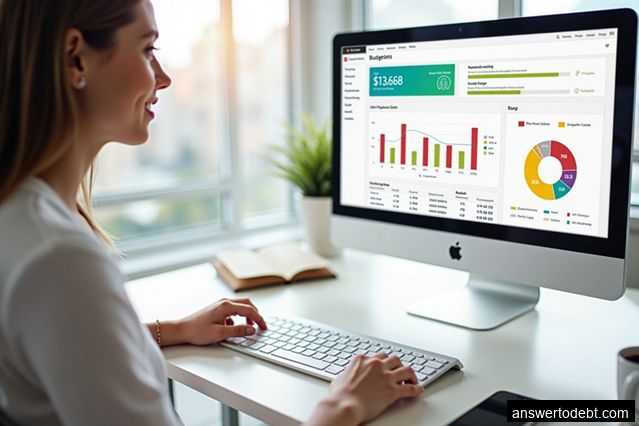
Budgeting tools offer several advantages over traditional pen-and-paper budgeting. These digital tools allow you to automate your budgeting process, making it easier to track your expenses, set financial goals, and monitor your progress. They provide visual representations of your budget, enabling you to see where your money is going and make necessary adjustments. Additionally, budgeting tools often come with features such as bill reminders and debt payoff calculators, further simplifying the debt repayment process.
Choosing the Right Budgeting Tool
With a wide range of budgeting tools available, it's important to choose one that aligns with your specific needs and preferences. Consider factors such as ease of use, compatibility with your devices, and the features offered. Some popular budgeting tools include Mint, YNAB (You Need a Budget), and Personal Capital. Take the time to explore different options and select the one that suits you best.
Setting Up Your Budgeting Tool
Once you've chosen a budgeting tool, the first step is to set it up according to your financial situation. Begin by inputting your income sources and their corresponding amounts. Next, list all your expenses, including debt payments, utilities, groceries, and discretionary spending. Categorize these expenses to get a clear overview of where your money is being spent. Finally, set your financial goals, such as the amount you want to allocate towards debt repayment each month.
Implementing Your Debt Repayment Plan
With your budgeting tool set up, it's time to implement your debt repayment plan. Start by identifying the debt with the highest interest rate or the smallest balance, depending on your preferred debt payoff strategy. Allocate as much money as possible towards this debt while making minimum payments on other debts. As you pay off one debt, roll over the money you were allocating to it towards the next debt in line. This snowball effect accelerates your debt repayment progress.
Monitoring and Adjusting Your Plan
Regularly monitor your budgeting tool to track your progress and make adjustments if needed. If you receive unexpected income or reduce your expenses in a certain category, consider allocating those extra funds towards debt repayment. Additionally, review your budget periodically to ensure it remains realistic and aligned with your financial goals. By staying vigilant and adaptable, you can optimize your debt repayment plan for maximum effectiveness.
Staying Motivated Throughout the Debt Repayment Journey
Paying off debt can be a challenging and lengthy process, so it's important to stay motivated along the way. Celebrate small victories, such as paying off a credit card or reaching a milestone in your debt repayment plan. Find a support system, whether it's through online communities or friends and family, who can provide encouragement and accountability. Remember your long-term financial goals and the freedom and peace of mind that come with being debt-free.
Reaping the Benefits of Debt Freedom
Once you successfully implement your debt repayment plan and become debt-free, you'll experience the numerous benefits it brings. You'll have more disposable income to allocate towards savings, investments, or other financial goals. You'll have greater financial security and freedom, as you're no longer burdened by monthly debt payments. Use this newfound financial stability to build a solid emergency fund, invest for your future, and enjoy the peace of mind that comes with being in control of your finances.